
Exploring the World of Crackers: A Guide to Choosing the Perfect Snack
Dec 24,2025

---
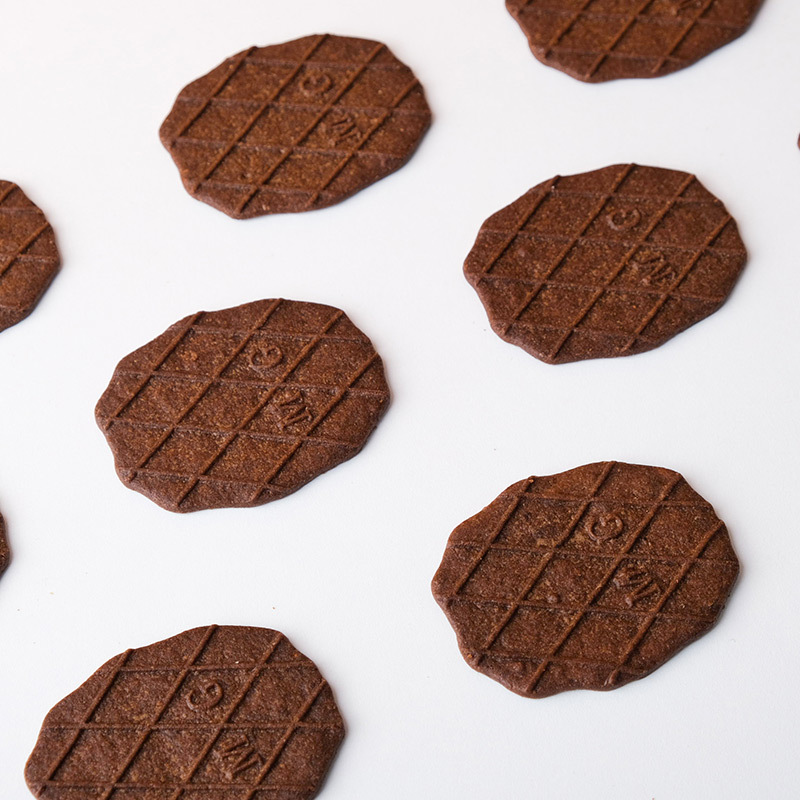
Crackers have evolved from a simple snack to an essential component of many diets, especially in the realm of agricultural foods and snack innovations. These crunchy delights can be made from various grains, seeds, or even legumes, making them a versatile option for many consumers. Understanding the different types of crackers available can help you make informed choices that align with your nutritional needs and taste preferences.
When exploring the world of crackers, it's essential to consider the base ingredient. Traditional wheat-based crackers are widely recognized, but there’s an increasing popularity of gluten-free options made from rice, almond flour, or chickpeas, catering to those with dietary restrictions. Whole grain crackers are also worth noting, as they provide added fiber and nutrients compared to their refined counterparts.
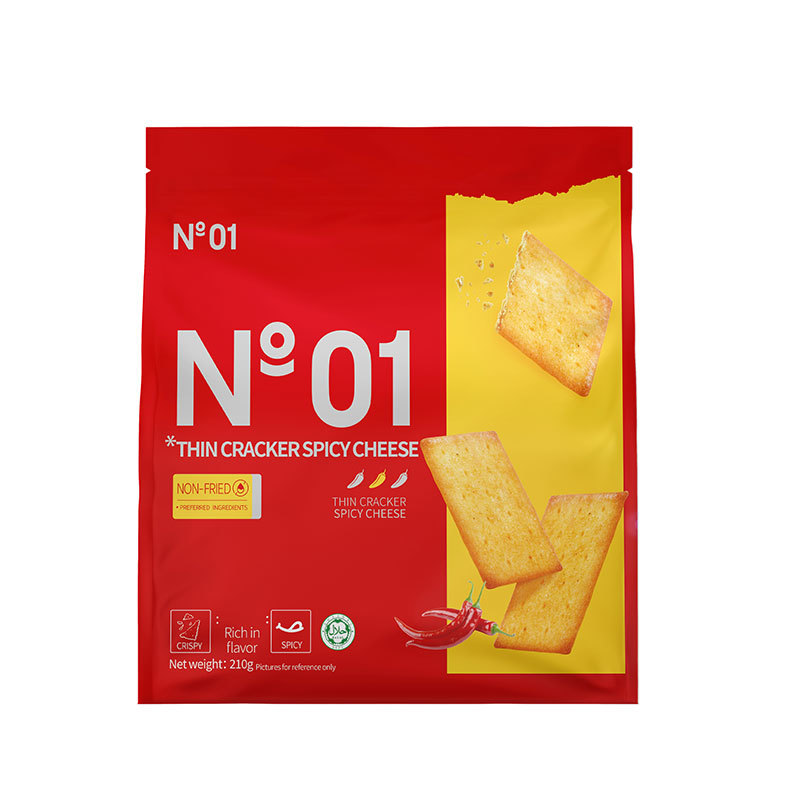
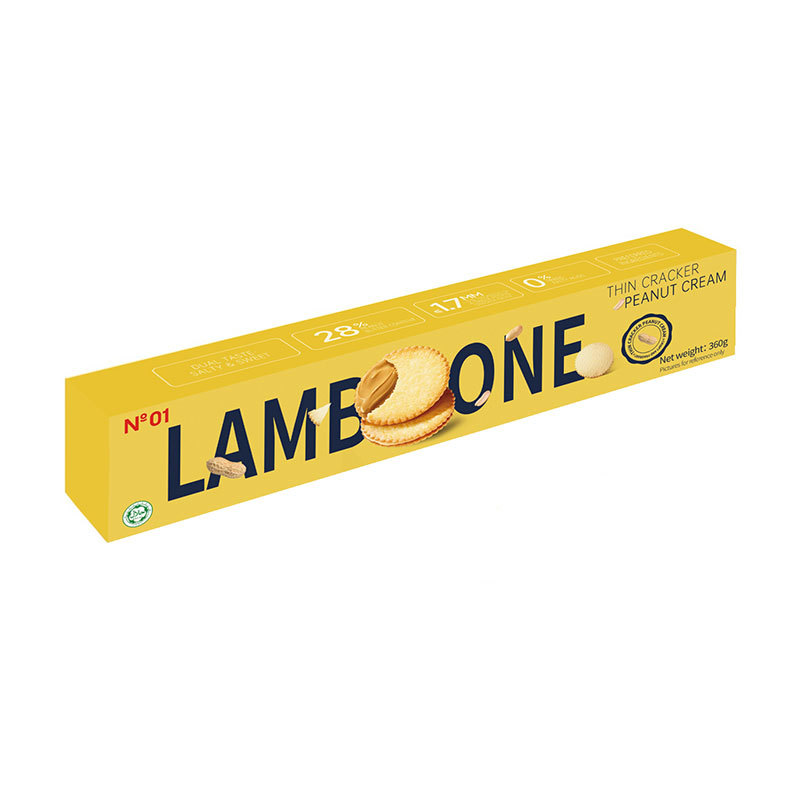
In addition to base ingredients, the flavor profile of crackers can vary significantly. From savory options infused with herbs and spices to sweet varieties that pair well with fruits and cheeses, there’s a cracker for every occasion. Experimenting with different flavors can enhance your snacking experience, especially when paired with complementary toppings such as dips, cheeses, or spreads.
Nutritional content is another crucial factor when selecting crackers. Many consumers are becoming more health-conscious, seeking products low in sodium, sugar, and unhealthy fats. Reading labels is essential to ensure that your choice aligns with your dietary goals. Look for crackers that are high in whole grains and fiber, as these can help promote digestive health and provide sustained energy.
For those interested in incorporating crackers into a balanced diet, consider serving them as part of a larger meal or snack. Pairing crackers with protein-rich foods like hummus, nut butter, or yogurt can create a satisfying and nutritious snack. Additionally, adding fresh vegetables or fruits can enhance the health benefits while providing a colorful and appealing presentation.
In summary, crackers are a versatile and enjoyable snack that can cater to a variety of tastes and dietary needs. By understanding the different types available and their nutritional aspects, you can make informed decisions that enhance your snacking experience. Whether you’re enjoying them on their own or as part of a more elaborate meal, crackers can serve as a delicious and satisfying option in your diet.
Crackers have evolved from a simple snack to an essential component of many diets, especially in the realm of agricultural foods and snack innovations. These crunchy delights can be made from various grains, seeds, or even legumes, making them a versatile option for many consumers. Understanding the different types of crackers available can help you make informed choices that align with your nutritional needs and taste preferences.
When exploring the world of crackers, it's essential to consider the base ingredient. Traditional wheat-based crackers are widely recognized, but there’s an increasing popularity of gluten-free options made from rice, almond flour, or chickpeas, catering to those with dietary restrictions. Whole grain crackers are also worth noting, as they provide added fiber and nutrients compared to their refined counterparts.
In addition to base ingredients, the flavor profile of crackers can vary significantly. From savory options infused with herbs and spices to sweet varieties that pair well with fruits and cheeses, there’s a cracker for every occasion. Experimenting with different flavors can enhance your snacking experience, especially when paired with complementary toppings such as dips, cheeses, or spreads.
Nutritional content is another crucial factor when selecting crackers. Many consumers are becoming more health-conscious, seeking products low in sodium, sugar, and unhealthy fats. Reading labels is essential to ensure that your choice aligns with your dietary goals. Look for crackers that are high in whole grains and fiber, as these can help promote digestive health and provide sustained energy.
For those interested in incorporating crackers into a balanced diet, consider serving them as part of a larger meal or snack. Pairing crackers with protein-rich foods like hummus, nut butter, or yogurt can create a satisfying and nutritious snack. Additionally, adding fresh vegetables or fruits can enhance the health benefits while providing a colorful and appealing presentation.
In summary, crackers are a versatile and enjoyable snack that can cater to a variety of tastes and dietary needs. By understanding the different types available and their nutritional aspects, you can make informed decisions that enhance your snacking experience. Whether you’re enjoying them on their own or as part of a more elaborate meal, crackers can serve as a delicious and satisfying option in your diet.
Latest News



Get In Touch

Zhangzhou Nanbowang Food Co., Ltd.
No. 88 Houhe, Cangtou Village, Haicheng Town, Longhai District, Zhangzhou City, Fujian Province, China
SAF Coolest v1.3.1.2 设置面板 GAGSE-ZGYF-JQZAE-ZFW
违禁词: 第一,最,一流,领先,独一无二,王者,龙头,领导者,极致,
无数据提示
Sorry,The current section is being updated, so stay tuned!
You can view other sections or return to Homepage