
Crackers: A Versatile Snack for Every Palate - Discover the Perfect Snack Option
May 20,2026

Crackers: A Versatile Snack for Every Palate
In today's fast-paced world, snacking has become an integral part of our daily lives. Whether at work, home, or on the go, crackers offer a convenient and delicious option for satisfying hunger. Not only are they versatile, but they can also cater to a variety of taste preferences, making them the perfect snack for everyone. In this article, we will delve deep into the world of crackers, exploring their history, types, nutritional benefits, creative pairing ideas, and much more.
Table of Contents
- 1. The History of Crackers: From Ancient Times to Modern Snacks
- 2. Different Types of Crackers: A Guide to Varieties
- 3. Nutritional Benefits of Crackers: What You Need to Know
- 4. Creative Pairings for Crackers: Elevate Your Snacking Experience
- 5. Crackers in Different Cuisines: A Global Perspective
- 6. How to Choose the Best Crackers for Your Needs
- 7. Homemade Crackers vs. Store-Bought: Pros and Cons
- 8. Frequently Asked Questions About Crackers
1. The History of Crackers: From Ancient Times to Modern Snacks
Crackers have a rich history that dates back thousands of years. The earliest known crackers were made by the ancient Egyptians, who baked a simple mixture of flour and water to create flatbreads. These flatbreads were practical, allowing for easy storage and transportation. As civilizations evolved, so did the methods of making crackers.
In the 19th century, crackers began to take on different shapes and flavors. The invention of the mechanical cracker machine in the United States led to mass production, making them more accessible to the general public. Today, crackers come in various forms, from simple saltines to gourmet creations infused with herbs and spices. This evolution has allowed crackers to maintain their status as a beloved snack across cultures and generations.
2. Different Types of Crackers: A Guide to Varieties
Crackers come in a plethora of styles and flavors, each offering a unique snacking experience. Understanding the different types of crackers can help you choose the perfect one for your taste preferences:
2.1. Traditional Crackers
These are the classic varieties, such as saltines and water crackers. They are often used as a base for toppings or enjoyed on their own with cheese or spreads.
2.2. Whole Grain Crackers
Made from whole grain flours, these crackers are often higher in fiber and nutrients. They offer a heartier taste and texture, making them a healthier option for those looking to incorporate more whole grains into their diet.
2.3. Gluten-Free Crackers
As the gluten-free movement has gained momentum, many brands have developed crackers made from alternative flours like rice, almond, or chickpea. These snacks ensure that those with gluten sensitivities can still enjoy a satisfying crunch.
2.4. Flavored Crackers
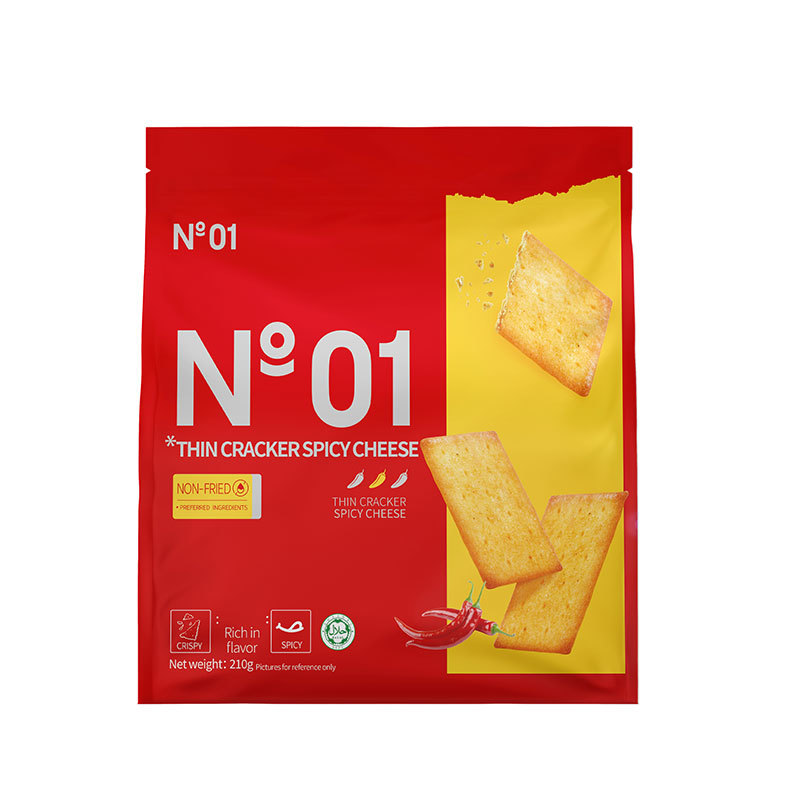
Flavored crackers, ranging from garlic and herb to cheese-infused varieties, add an extra layer of taste. These crackers are perfect for pairing with dips or cheeses, making them ideal for entertaining.
2.5. Sweet Crackers
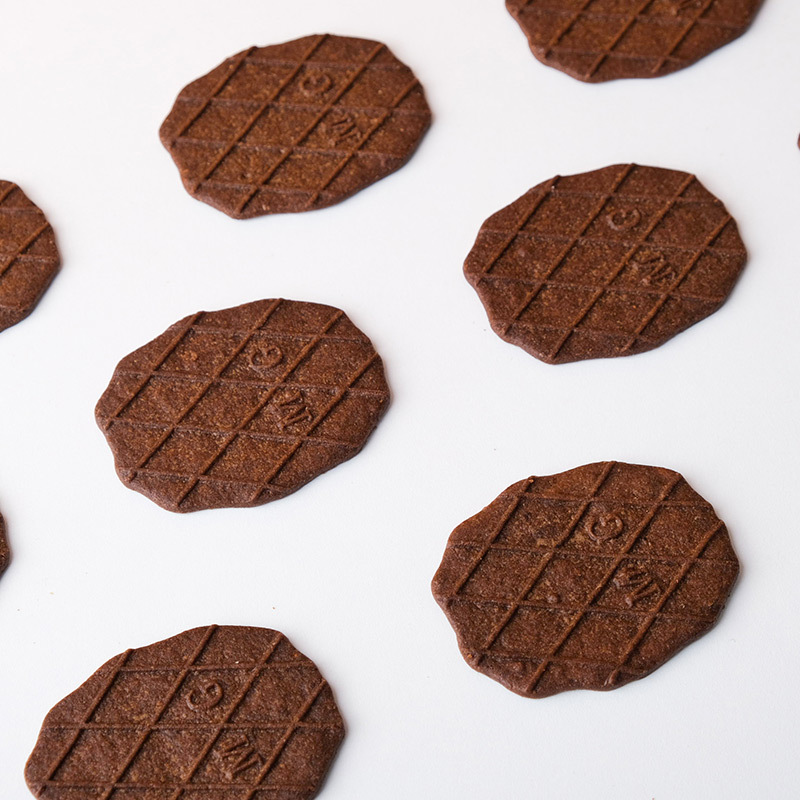
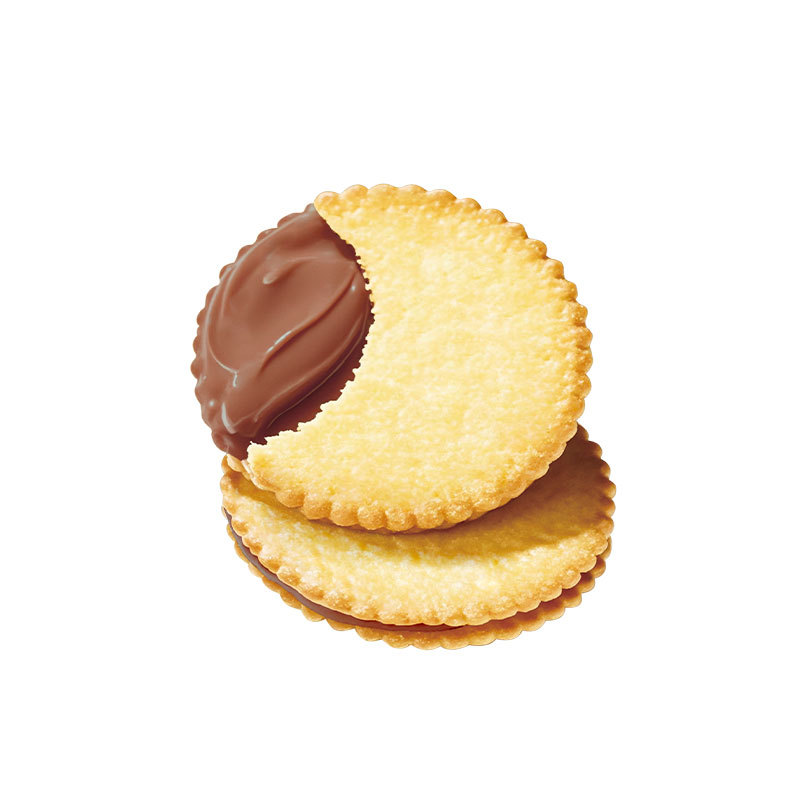
Sweet crackers, such as graham crackers and chocolate-dipped varieties, serve as a delightful dessert option. They can be enjoyed on their own or used as a base for desserts like cheesecake or s'mores.
3. Nutritional Benefits of Crackers: What You Need to Know
While crackers are often viewed as a simple snack, they can offer several nutritional benefits, especially when chosen wisely. Here are some key points to consider:
3.1. Source of Energy
Crackers are primarily made from carbohydrates, providing a quick source of energy. This makes them an excellent option for a mid-day snack or before physical activities.
3.2. Fiber Content
Whole grain and high-fiber crackers can contribute to your daily fiber intake, aiding in digestion and promoting a feeling of fullness.
3.3. Essential Nutrients
Many crackers are fortified with vitamins and minerals, including B vitamins, iron, and magnesium. Choosing whole grain options can enhance nutrient delivery.
3.4. Low-Calorie Snacking
When enjoyed in moderation, crackers can be a low-calorie snack option, especially when compared to other snack foods. Look for varieties without added sugars and unhealthy fats.
4. Creative Pairings for Crackers: Elevate Your Snacking Experience
One of the best aspects of crackers is their versatility. They can be paired with a wide range of toppings, enhancing both flavor and texture. Here are some creative pairing ideas:
4.1. Cheese and Charcuterie
A classic pairing, crackers with cheese and cured meats create a delicious appetizer platter. Experiment with different cheese types, such as brie, gouda, or blue cheese, alongside meats like prosciutto or salami.
4.2. Dips and Spreads
Hummus, guacamole, and spinach-artichoke dip provide great options for enhancing your cracker experience. These dips add flavor and nutrition, making your snack more satisfying.
4.3. Fresh Vegetables
Top your crackers with fresh vegetables like sliced cucumbers, tomatoes, or bell peppers. This not only adds color but also increases the nutritional value of your snack.
4.4. Sweet Toppings
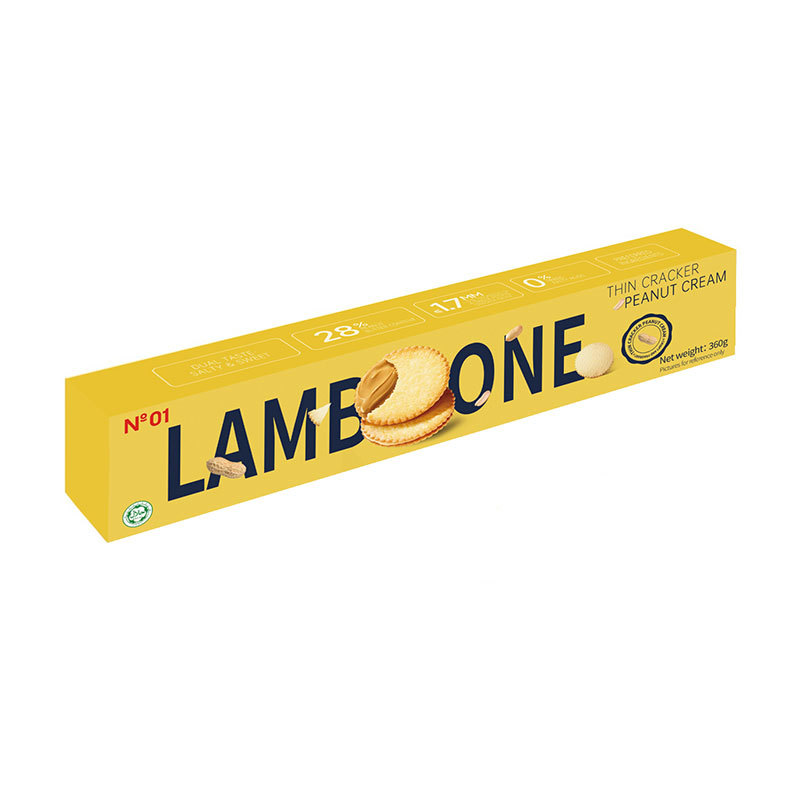
For a sweet treat, try pairing crackers with nut butter, honey, or fruit preserves. This combination is perfect for breakfast or a midday pick-me-up.
4.5. Creative Combinations
Don't be afraid to mix and match! Combine flavors like sharp cheddar with apple slices or goat cheese with fig jam to create unique flavor profiles that delight the palate.
5. Crackers in Different Cuisines: A Global Perspective
Crackers are enjoyed worldwide, each culture incorporating unique ingredients and flavors:
5.1. Italian Grissini
These thin, crispy breadsticks are often served as an appetizer in Italy. They can be enjoyed plain or wrapped around cured meats for a flavorful snack.
5.2. Indian Papadum
Made from lentil or chickpea flour, papadum is a crispy flatbread that's typically served with curries and chutneys, providing a delightful crunch to Indian meals.
5.3. Middle Eastern Crackers
Crackers like crackers made from za'atar spice blend are popular in Middle Eastern cuisine, often served with dips like baba ghanoush or labneh.
5.4. Japanese Senbei
These rice crackers come in various flavors, from sweet to savory, and are a common snack in Japan, often enjoyed with green tea.
6. How to Choose the Best Crackers for Your Needs
With so many options available, selecting the right cracker can be overwhelming. Here are some tips to help you make an informed choice:
6.1. Read the Ingredients
Look for crackers made with whole grains and minimal additives. Avoid those with excessive sugars, unhealthy fats, or artificial ingredients.
6.2. Check the Nutrition Label
Pay attention to the calorie count, fiber content, and serving size. Choose options that align with your dietary goals.
6.3. Consider Your Taste Preferences
Choose flavors that appeal to you. If you enjoy savory snacks, opt for herb-infused or cheese-flavored crackers. For a sweeter option, look for those with added fruits or spices.
6.4. Experiment with Different Textures
Some people prefer crunchy crackers, while others enjoy softer options. Try a variety to discover which textures you enjoy the most.
7. Homemade Crackers vs. Store-Bought: Pros and Cons
When it comes to crackers, you have the option to buy them or make them yourself. Each choice has its benefits:
7.1. Homemade Crackers
Making crackers at home allows for complete control over ingredients and flavors. You can experiment with spices, herbs, and types of flour. However, it can be time-consuming and requires some culinary skills.
7.2. Store-Bought Crackers
Store-bought crackers offer convenience and a wide variety of options. They are often readily available and can save time. However, some may contain preservatives or additives that might not align with your dietary preferences.
8. Frequently Asked Questions About Crackers
8.1. Are crackers healthy?
Crackers can be healthy, especially when made from whole grains and low in added sugars and unhealthy fats. Always check the nutrition label for a better understanding of their health benefits.
8.2. Can I eat crackers on a gluten-free diet?
Yes, there are many gluten-free cracker options available made from alternative flours such as rice, almond, or chickpea flour.
8.3. What are the best crackers to pair with cheese?
Crackers with a neutral flavor, such as water crackers or whole grain options, pair well with a variety of cheeses. Flavored crackers can also enhance the taste experience.
8.4. How can I make my own crackers at home?
To make homemade crackers, mix flour, water, and seasonings, roll out the dough, cut into shapes, and bake until crispy. Experiment with flavors to create your perfect cracker.
8.5. Can I store crackers for a long time?
Crackers typically have a long shelf life, but it's best to store them in an airtight container to maintain freshness. Check the expiration date for guidance.
Conclusion
Crackers are more than just a convenient snack; they are a versatile option that can be enjoyed in countless ways. From traditional varieties to innovative flavors, crackers cater to every palate and dietary preference. Understanding the different types, nutritional benefits, and creative pairing ideas allows you to elevate your snacking experience. Whether you choose to buy or make your own, crackers can be a delightful addition to your diet, offering both taste and nutrition. Embrace the world of crackers and discover how they can enhance your culinary adventures!
Latest News


Get In Touch

Zhangzhou Nanbowang Food Co., Ltd.
No. 88 Houhe, Cangtou Village, Haicheng Town, Longhai District, Zhangzhou City, Fujian Province, China
SAF Coolest v1.3.1.2 设置面板 GAGSE-ZGYF-JQZAE-ZFW
无数据提示
Sorry,The current section is being updated, so stay tuned!
You can view other sections or return to Homepage